Different Buyer, Different Shape of Product
Ambient.ai is a strong product for the buyer it is designed for: a large enterprise with a global security operations centre, an existing VMS, access control systems, and a security team that needs all of that unified into one intelligence layer. The pricing, the deployment model, the integration surface and the feature set all map to that buyer.
Manako does not target that buyer. We target the operator who has cameras, has a real operational problem, and wants the problem solved without a six-month enterprise project. Fuel retailers, mid-market site operators, industrial sites, retail chains, logistics facilities. People who do not run a SOC and do not want to. People for whom "the alert went to the duty manager's phone and they handled it" is the whole workflow.
The Hardware and Infrastructure Question
Ambient.ai runs on NVIDIA-accelerated edge infrastructure, integrates with enterprise VMS, and ships with the assumption that the buyer can stand up that level of infrastructure at each site. That works for the enterprise security buyer. It does not work for the mid-market operator whose site already has cameras and a small back-office box and no budget line for accelerated edge appliances.
Manako fits on small local hardware per site. The kind of machine you can put on a shelf and forget about. No GPU required for most workloads. That is the difference between a deployment that can ship across 400 sites and a deployment that gets piloted on three.
The Agent Model
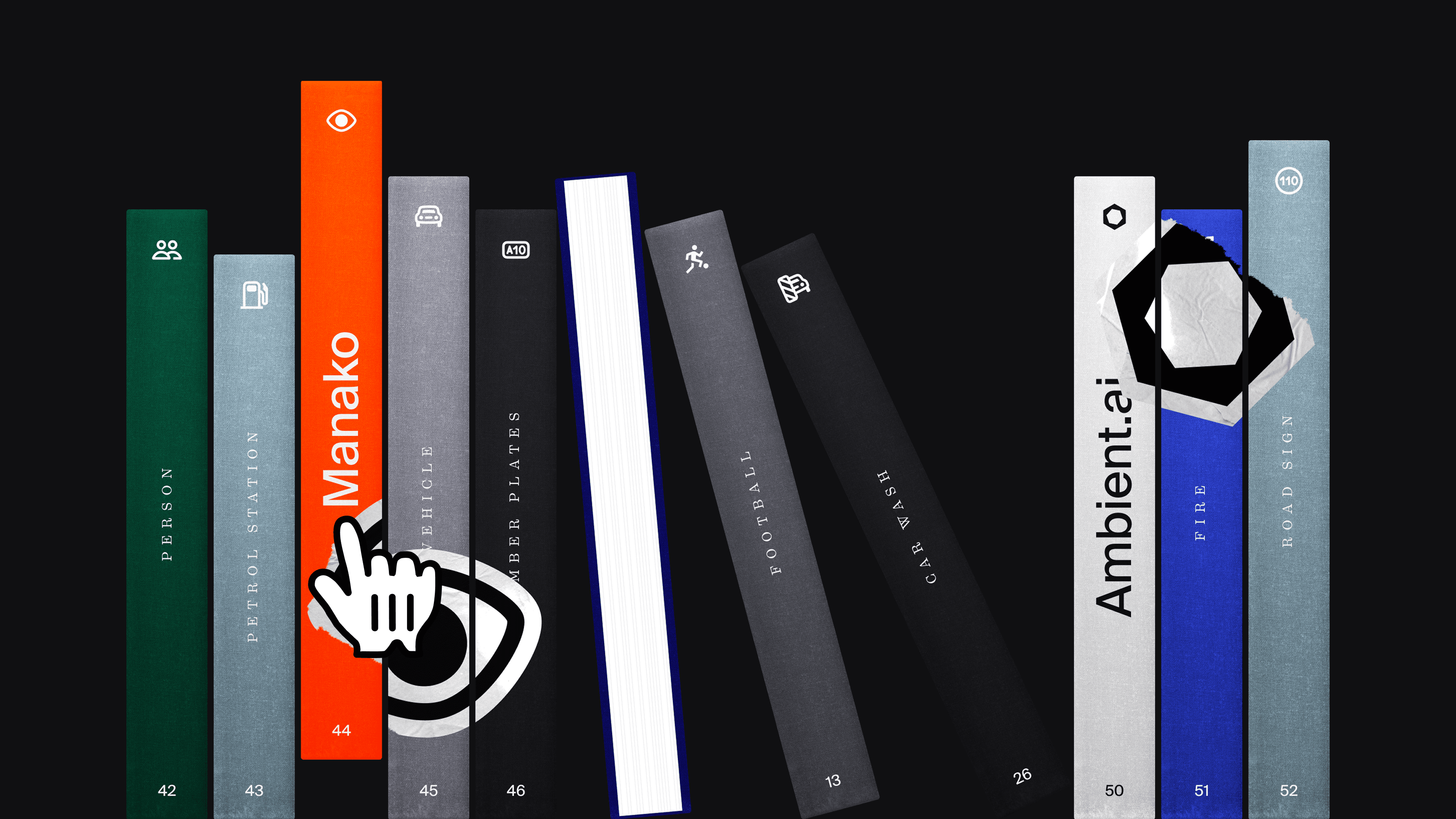
Both platforms talk about agents and both use modern vision-language models. The difference is in how the agent gets defined. Ambient.ai ships a library of pre-built threat signatures, each tuned for security use cases. That is the right approach when your problem set is well known and the risk profile demands proven detectors. Manako lets you describe a vision agent in natural language and composes specialist skills to match. That is the right approach when the use case is operational, varied, and not always a known threat category. Neither model is universally better. They map to different jobs.
The Evidence Audience
Ambient.ai assumes there is a SOC. Evidence flows to a video wall, to analysts, into a graph for forensic search. That is the right design for the enterprise security mission. Manako assumes there is no SOC. Evidence flows to Slack, to WhatsApp, to email, to the duty manager who can actually act on it. The agent is one of the team rather than something an analyst supervises. Two different operating models for two different buyers.
The Data Path
Ambient.ai integrates with enterprise VMS and runs on edge-optimised infrastructure. Manako runs locally on your machine by default. We have zero access to your cameras or footage. Only people with physical access to the device can view streams or change settings. For customers who need a hard guarantee that nothing leaves the site, that is the deployment model rather than an option to configure.
Where Each is the Right Call
Choose Ambient.ai When:
- You run a global or enterprise security operation with a SOC and security analysts.
- Your priority is physical security threats: intrusion, weapons, perimeter, access events.
- You need deep integration with an existing enterprise VMS and access control stack.
- You have the budget and procurement process for enterprise hardware and an enterprise security platform.
Choose Manako When:
- Your problem is operational, not just security: process monitoring, retail ops, fuel retail, logistics, industrial.
- You want to deploy across many sites quickly, on small hardware per site, without enterprise services.
- You want evidence to go to the duty manager, not to a SOC.
- You want to describe new agents in natural language as your needs change.
- Local processing and zero footage egress are required.
Conclusion
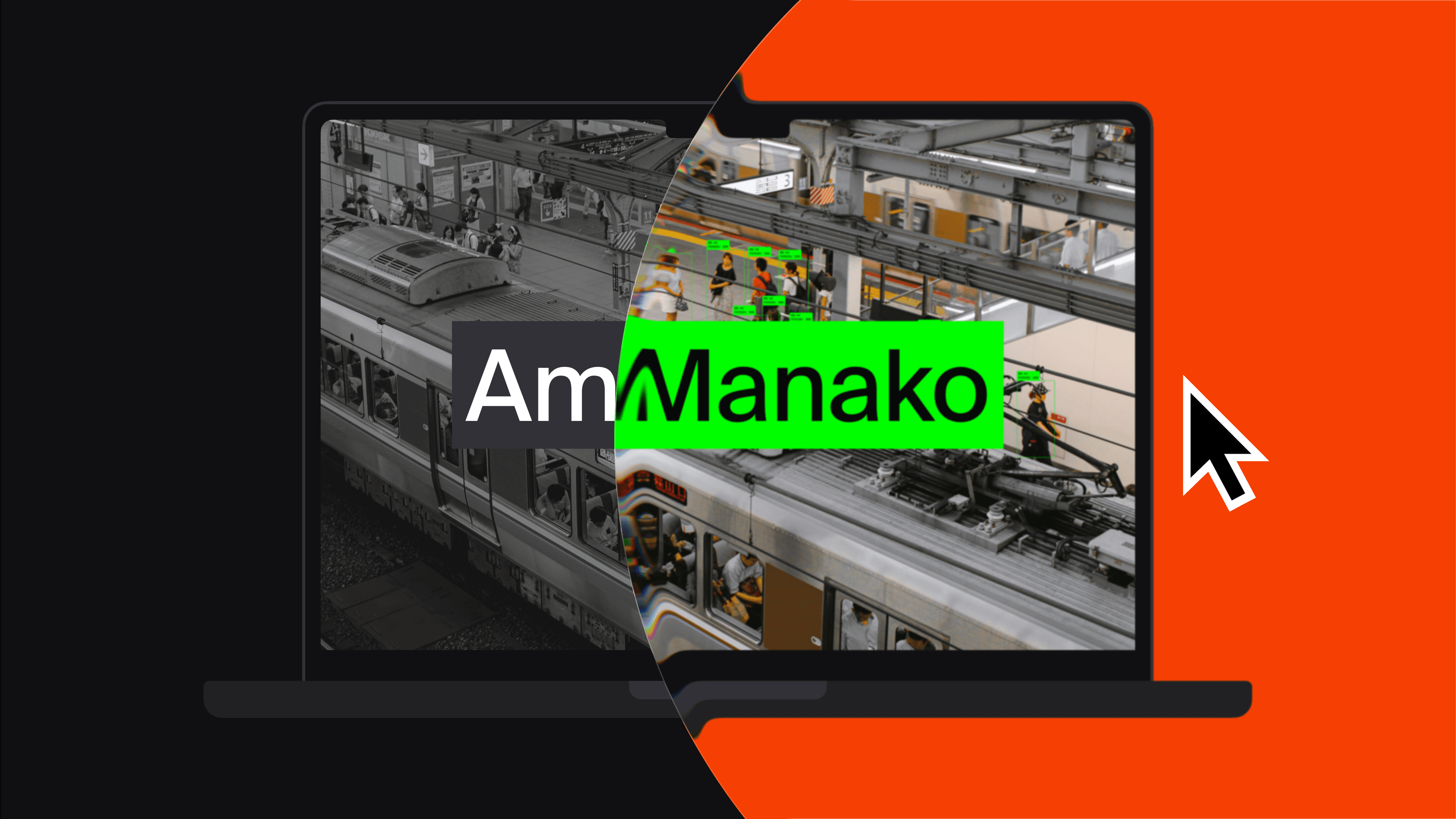
Ambient.ai is built for enterprise security operations centres. Manako is built for operators who want vision agents on the cameras they already own, on the hardware they can already justify, with evidence going to the people on shift. If you have a SOC, look at Ambient. If you have sites, look at Manako.